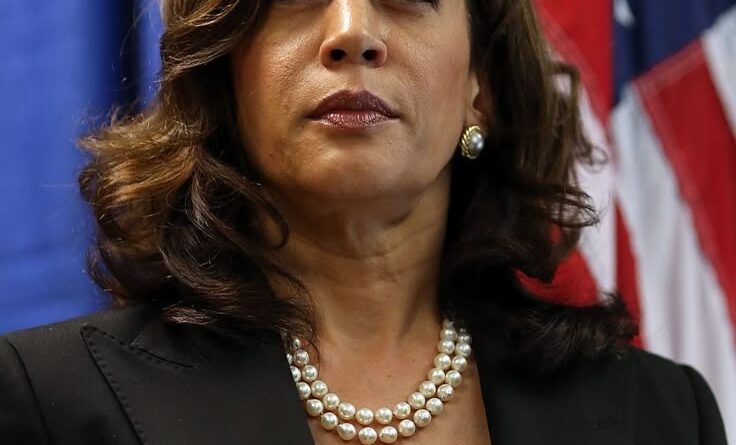
Kamala Harris Criticizes Trump’s Venezuela Strategy, Warns of Costly Foreign Interventions
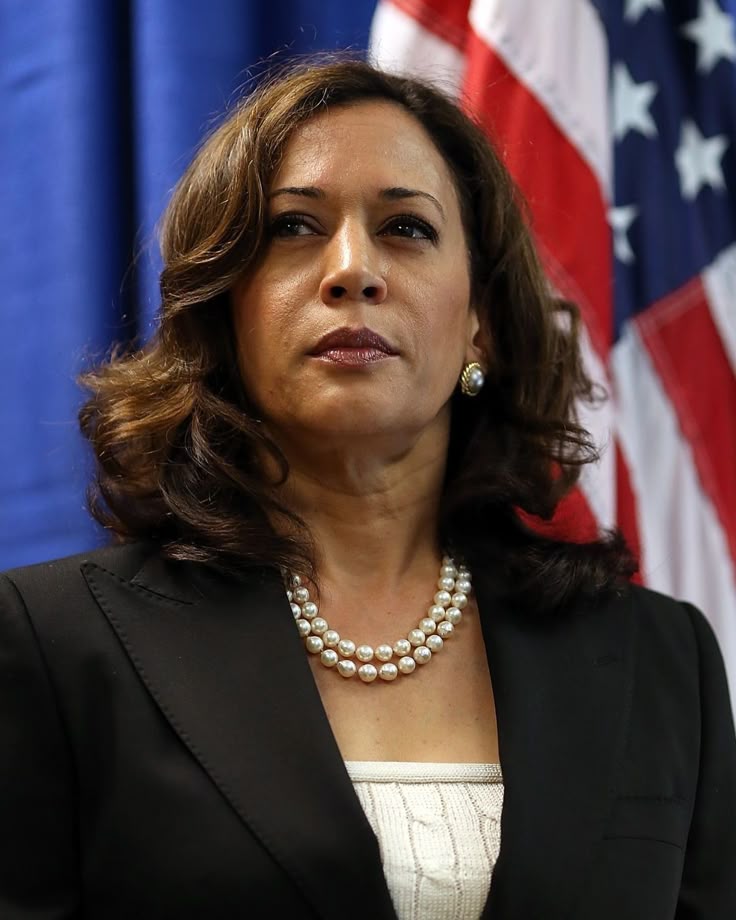
Un éminent dirigeant politique américain a vivement critiqué la stratégie du président Donald Trump à l’égard du Venezuela, affirmant que ses actions n’ont pas permis de rendre l’Amérique plus sûre et pourraient au contraire répéter des chapitres douloureux de l’histoire de la politique étrangère américaine.
In a statement shared online, the official warned that while Venezuelan strongman Nicolás Maduro has been widely condemned as an illegitimate and authoritarian ruler, that reality alone does not justify actions that may be seen as unlawful, destabilizing, or misaligned with American interests.
A Warning Against “Repeating History”
The message reflects growing concern that U.S. foreign policy is once again drifting toward risky interventionism. The statement notes that past efforts framed as regime-change missions or oil-driven geopolitical strategies have repeatedly been sold to the American public as necessary acts of strength — yet too often end in prolonged instability.
“We’ve seen this movie before,” the statement reads, reminding Americans of past conflicts that led to chaos, economic strain, and human loss without delivering lasting resolution.
The critique stresses that the true cost of foreign intervention is rarely felt in Washington’s political halls, but rather among ordinary American families — through higher economic pressures, military spending, or the emotional toll of extended conflict.
The Complex Reality in Venezuela
Venezuela remains a nation caught in a severe political and humanitarian crisis. Economic collapse, hyperinflation, mass migration, and political repression have reshaped the lives of millions. Maduro’s rule has been rejected by many international governments, but the path to resolving the crisis remains deeply contested.
Critics of aggressive U.S. involvement argue that:
_Military or coercive actions risk regional instability
_Civilian populations often suffer most during power struggles
_Foreign intervention can delegitimize internal democratic movements
_Long-term consequences rarely match short-term political talking points
Supporters of stronger action, however, claim the U.S. has a moral responsibility to oppose authoritarianism and support democratic governance abroad. The divide highlights the long-standing tension between interventionist and restraint-focused foreign policy philosophies in American politics.
“The American People Are Tired”
The statement also reflects a broader and growing sentiment: skepticism among U.S. citizens about repeated foreign entanglements. Many Americans still remember the emotional, economic, and geopolitical consequences of extended conflicts in the Middle East and elsewhere.
According to the message, the public is increasingly resistant to strategies that risk deepening conflicts without clear objectives or measurable benefits. The author argues that trust has been eroded — and that transparency and caution must guide future decisions.
A Debate That Is Far From Over
The future of U.S.-Venezuela relations remains uncertain. Sanctions, diplomatic pressure, and international negotiations continue, while millions of displaced Venezuelans search for stability and security.
What is clear, however, is that the debate over how the U.S. should engage abroad — and at what cost — is very much alive. Voices like this one are contributing to a renewed national conversation about the limits of power, the lessons of history, and the responsibilities of leadership.
Disclaimer: This content is based on publicly available information and independent analysis and is provided for informational purposes only